
Orthotics in Calgary
 Foot mechanics shape how the rest of the body moves. When arches drop, weight shifts, or steps land unevenly, those small changes can ripple upward, affecting knees, hips, and even the spine. Custom orthotics are designed to address those everyday mechanics, not just for athletes or people in pain, but for anyone who spends long hours on their feet, sits too much, or simply wants better alignment while moving through the day.
Orthotics offered through Memorial Drive Chiropractic and Massage are created using detailed gait analysis and volumetric foot impressions, not off-the-shelf inserts. The goal is a device that fits your feet, your shoes, and your daily routines, whether that includes walking the Bow River pathway, standing on concrete floors, or training for weekend sports.
Why Custom Orthotics Are Different
Drugstore inserts are built for averages. Real feet are anything but average. Arch height, heel strike, toe-off, and even how your knees rotate all play a role in how pressure moves through your body.
Conditions That Orthotics Can Address
Before jumping straight to orthotics, it’s essential to first address any underlying issues with your spine, muscles, and joints through chiropractic care. Your body is a complex system, and ensuring that your muscles and spine are functioning optimally is the first step toward lasting relief. Common foot conditions these custom inserts can address include plantar fasciitis, flat feet, high arches, heel spurs, bunions, and Achilles tendinitis.
What the Orthotics Process Looks Like
The process is thorough but straightforward. Each step is designed to gather clear information so the orthotic is tailored to you, not guessed.
Initial Conversation and Foot Review: Shoes and socks come off, and the feet are examined for calluses, arch shape, wear patterns, and alignment. Questions cover footwear, work demands, sports, and daily movement habits.
- Biomechanical and Postural Assessment: Simple orthopedic and weight-bearing tests help identify how the feet interact with the knees, hips, and spine while standing.
- GaitScan™ Analysis: Walking across the GaitScan platform captures real-time pressure patterns as your feet strike and leave the ground. This shows how weight shifts step by step.
- Volumetric Foot Impression: A laser-based or casting method creates a precise three-dimensional model of each foot, which can support common insurer documentation requests
- Design and Manufacturing: All data is sent to a Canadian orthotics lab, where the devices are crafted to match your measurements, footwear needs, and activity level.
- Fitting and Adjustment Visit: Once the orthotics arrive, fit is checked, walking is reassessed, and break-in guidance is reviewed. Minor refinements can be made if needed.
Getting Used to Orthotics
Most people ease into orthotics over a few weeks. Wearing them for short periods at first gives your body time to adapt to a change in support and loading patterns. You may notice mild muscle or joint awareness early on, which often settles as you get used to them. Guidance is provided, so the transition feels manageable.
Care for Kids, Adults, and Everyday Movers
Orthotics aren’t only for runners. Children, teens, working professionals, and retirees may consider orthotics when they want more consistent support in shoes, especially during growth phases, long workdays on hard floors, or higher activity periods.
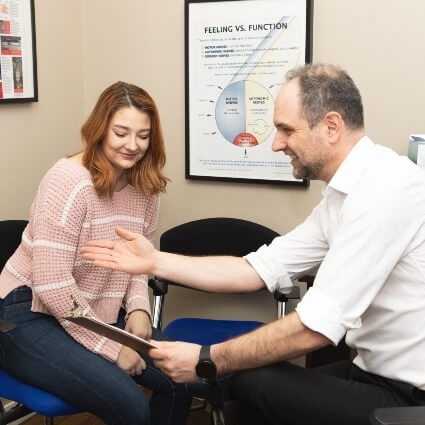
Meet Dr. Ryan Wagemakers, Chiropractor
Dr. Wagemakers has completed additional training with orthotics providers, including Footmaxx and The Orthotic Group, with hands-on instruction in gait analysis, equipment use, and measurement methods. This supports a whole-body view of movement when recommending orthotics, including how the feet, knees, hips, and spine may work together.
A Patient Story From Dr. Wagemakers
Orthotics are not always necessary, but when they are appropriate, they can be a valuable support to chiropractic care. Sometimes the body needs extra help along the kinetic chain, and the person needs to feel heard.
I remember a patient who came in looking for new orthotics because of ongoing plantar fasciitis. Every morning, her first steps out of bed were painful. She was frustrated because she had already spent hundreds of dollars on orthotics that were so uncomfortable she could not wear them. When she was told there were no other options, she gave up on them completely.
We took the time to understand her feet, her movement, and what had not worked before. Then we fit orthotics that matched her real day-to-day needs and felt comfortable enough to actually wear.
Within a few days, she told us her morning foot discomfort was gone and she loved how they felt. As a bonus, her adjustments held longer and her movement improved. Not long after, she was back to hiking in the mountains.
Insurance Coverage and Cost Questions
Orthotics often raise practical questions. Clear answers help set expectations early.
Does insurance cover orthotics?
Can orthotics be direct billed?
Can I order more than one pair?
Ready to Explore Custom Orthotics?
Better movement starts at ground level. A clear assessment can reveal patterns you may not notice on your own and help determine whether orthotics are a good fit for your needs. Book an orthotics assessment today and take the next step toward steadier movement.
